






The Rāhui
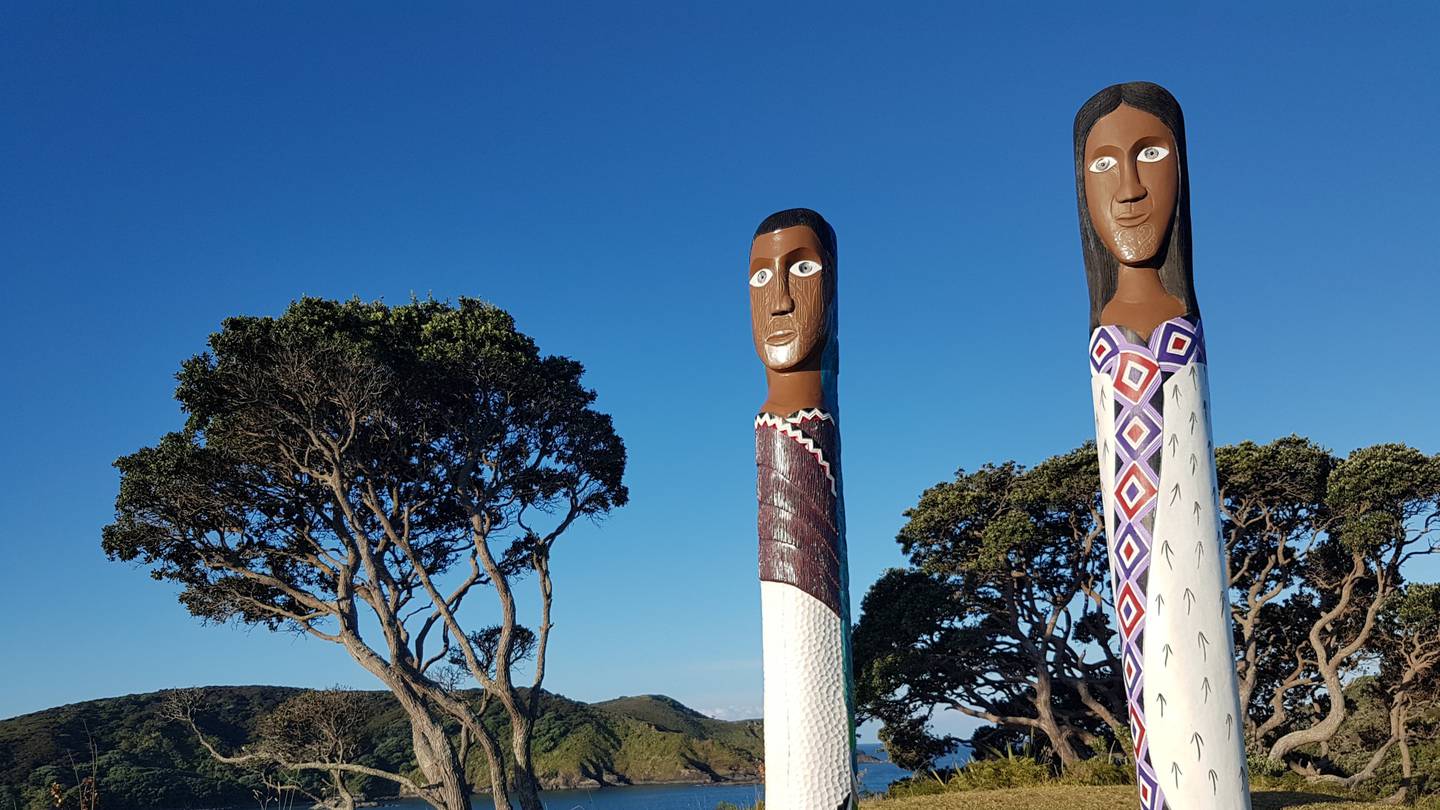
In 2017, Te Whānau Moana me Te Rorohuri placed a rāhui over Maitai Bay to stop the taking of fish and shellfish and give the marine environment time and space to recover.
Please help protect Maitai Bay by leaving fish, shellfish and other marine life within the rāhui area.
The rāhui supports the restoration of mauri and reflects a long-term commitment to caring for the moana for future generations.
Please respect it
Respect for the rāhui is an important part of caring for Maitai Bay and supporting the recovery of the marine environment.
By leaving fish, shellfish and other marine life within the rāhui area, visitors and whānau help strengthen the collective effort to restore the mauri of the bay.
The rāhui relies on understanding, respect and shared responsibility – each person who honours it contributes to the long-term wellbeing of the moana.
Boundaries

To protect, preserve and restore
In late 2017, a rāhui was placed over Maitai Bay, establishing a complete no-take area.
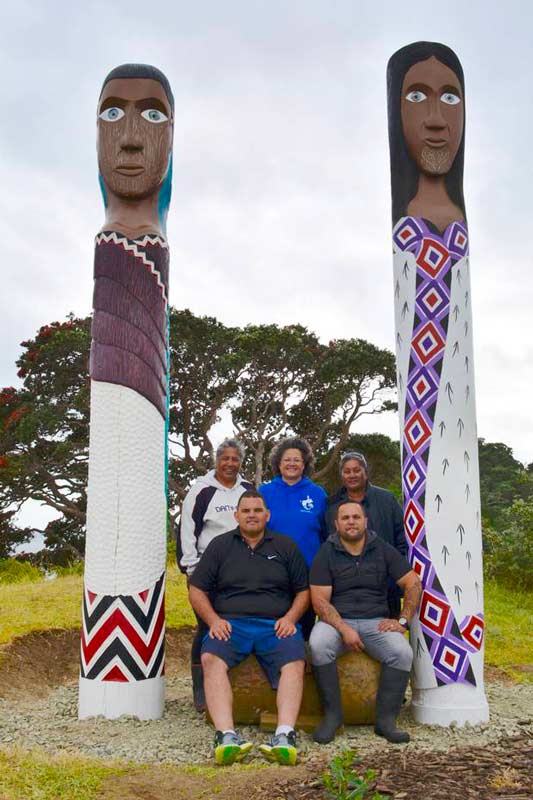
As kaitiaki, Te Whānau Moana me Te Rorohuri, together with the wider community, took action to better protect the rohe and respond to the increasing pressure on kaimoana within the bay.
The rāhui is intended to support the restoration of the mauri of Maitai Bay and help ensure that tamariki and mokopuna can continue to experience, enjoy and care for this taonga into the future.
By giving the moana time and space to recover, the rāhui supports the long-term restoration of Maitai Bay and the sustainability of its kaimoana for future generations
Our goals
- Restore balance and mauri to our moana
- Support the recovery of depleted marine areas
- Restore the tapu and strengthen the mana of Maitai Bay
- Support a sustainable future for our tamariki and mokopuna
Why continued protection matters
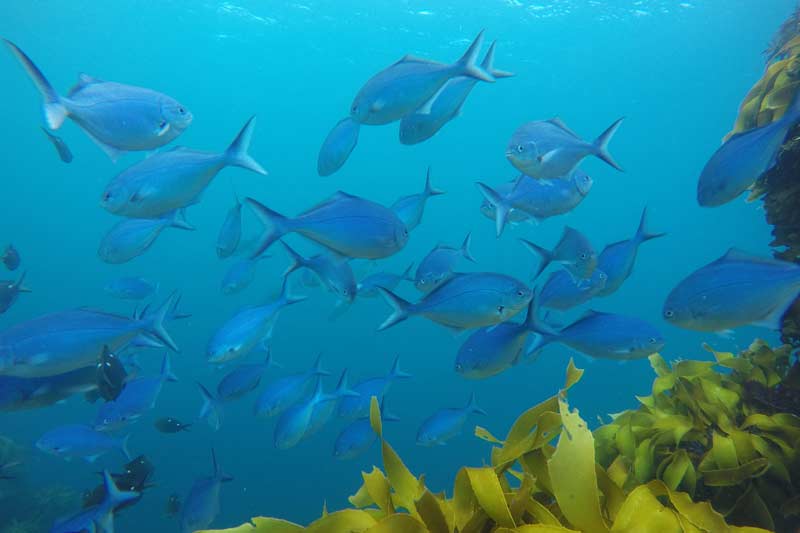 Historical evidence, local knowledge and ongoing scientific monitoring all point to the ecological importance of Maitai Bay and the need for continued protection and restoration.
The bay’s high ecological values and favourable marine environment make it an important place to strengthen kaitiakitanga and support the recovery of the moana.
Changes in fish abundance, the presence of kina barrens and other pressures on the marine ecosystem reinforce the importance of long-term monitoring, community participation and continued action to restore balance.